500,000+ Objects

Powerhouse Collections

The Powerhouse Collections platform

Category

Public Digital Infrastructure

Client

Powerhouse Museum

Year

2024 – Present

Role

Data & Integration Architect

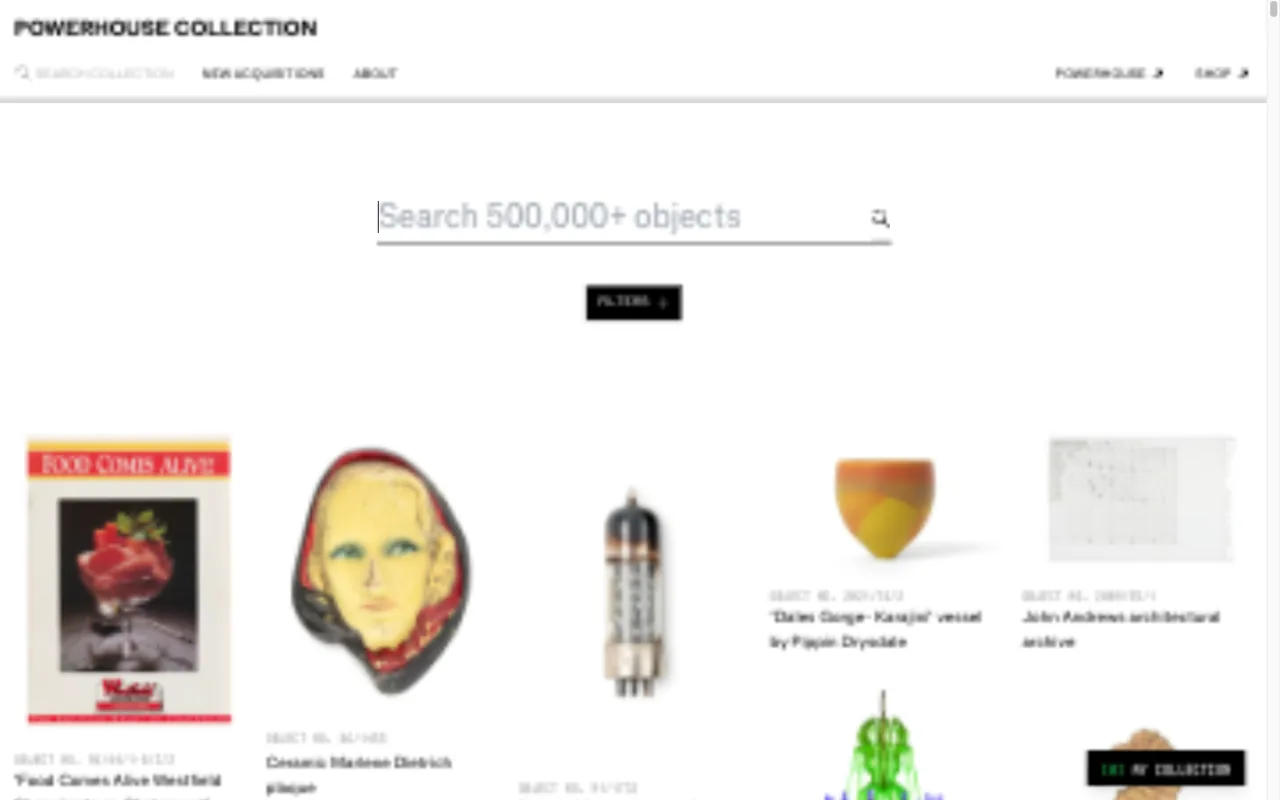
The Powerhouse Collection homepage: a Search 500,000+ objects field above a grid of objects, each with a save button
[ Home ]
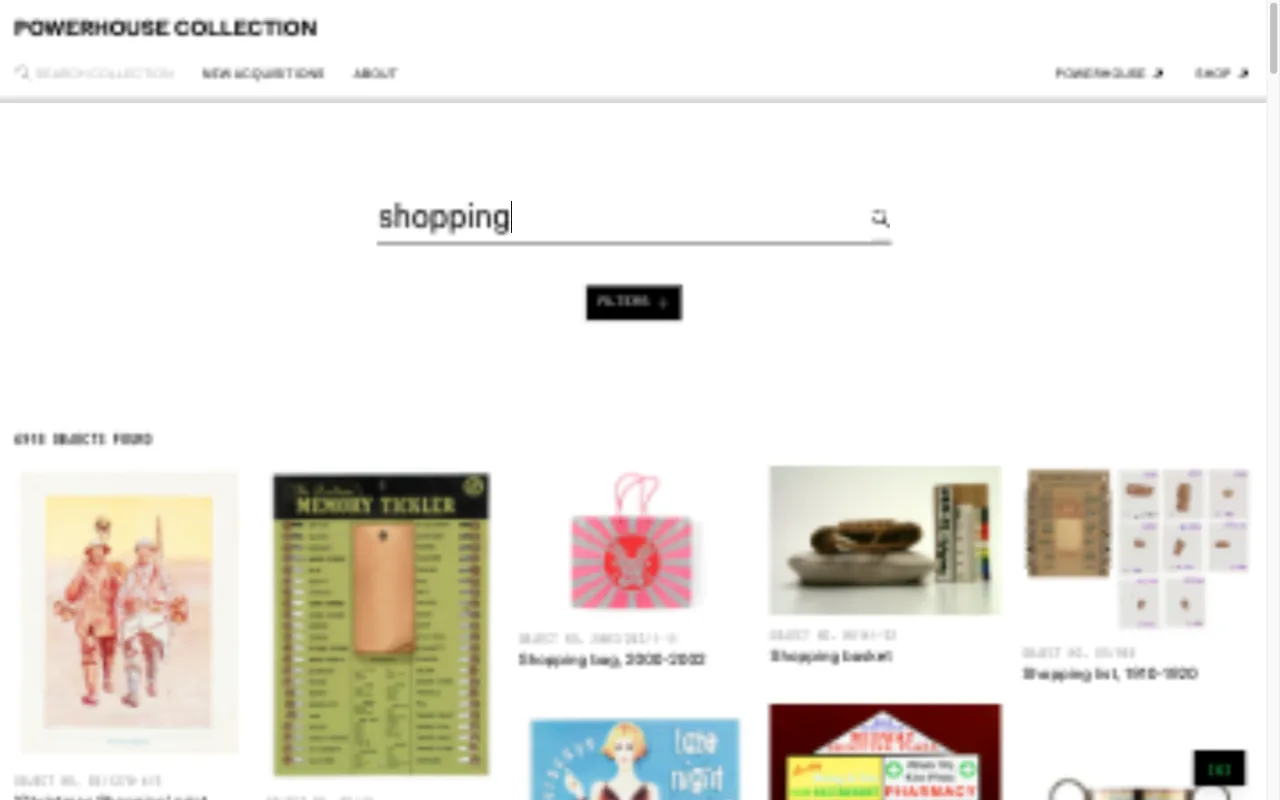
Search results for shopping: 6,918 objects found, shown as a grid of objects
[ Search as you type ]
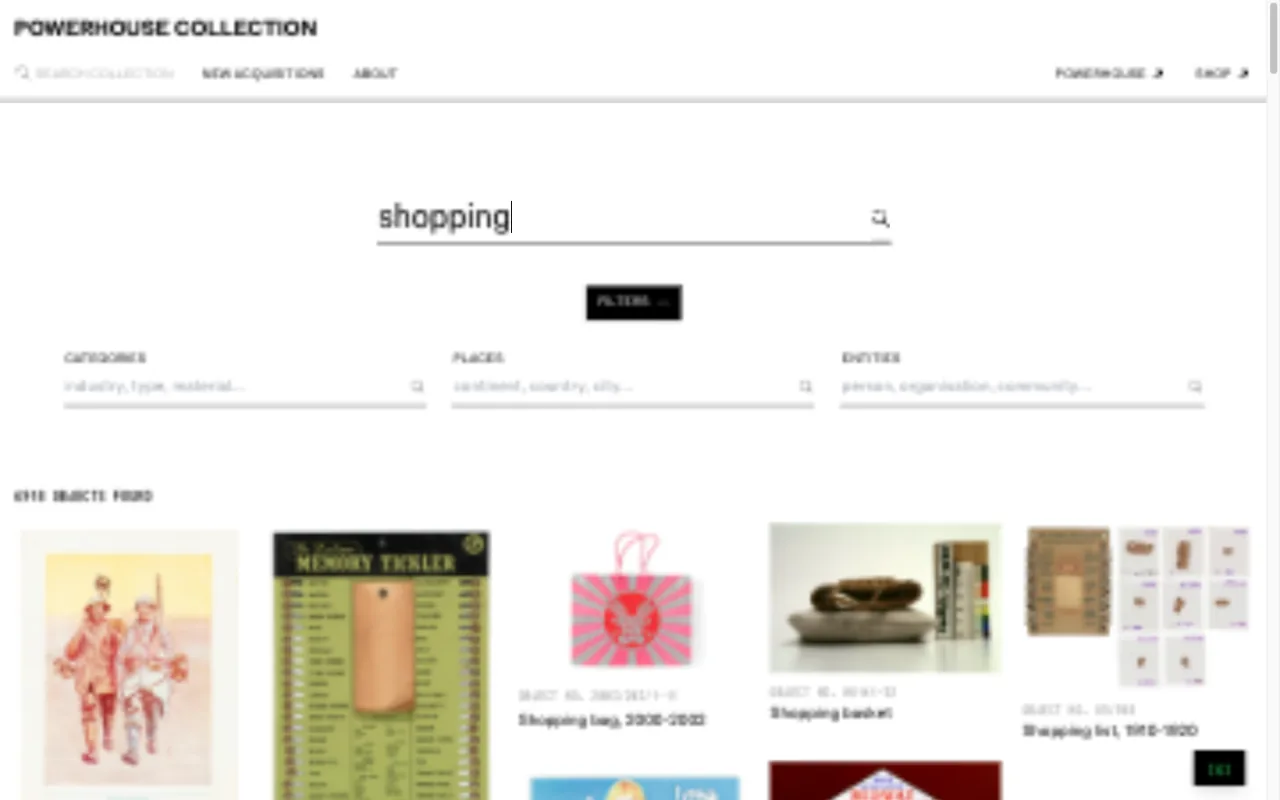
The filter panel open over the shopping results, with searchable lists of categories, places and entities
[ Filters ]
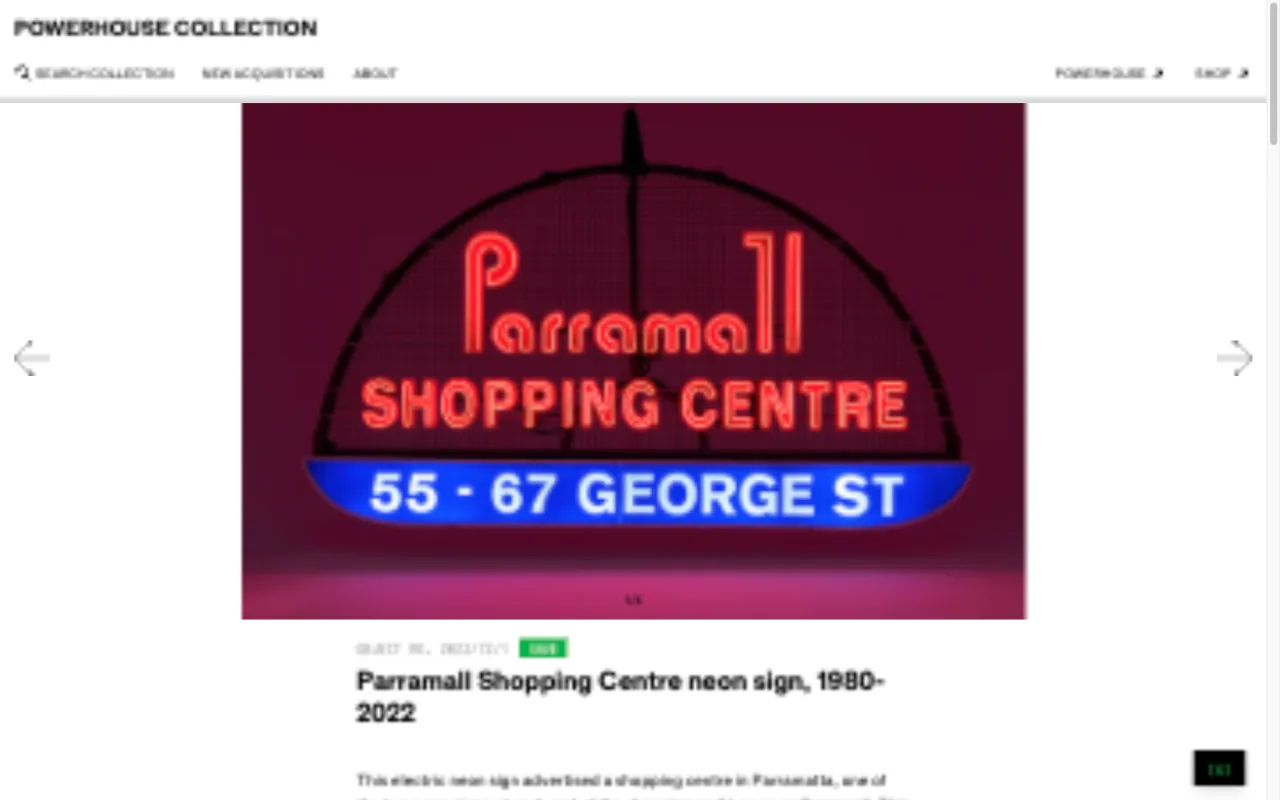
Object page for the Parramall Shopping Centre neon sign, 1980 to 2022, with its object number and a save button
[ Object page ]

[ Overview ]

[ 500K+ objects · 100M+ API requests a year ]

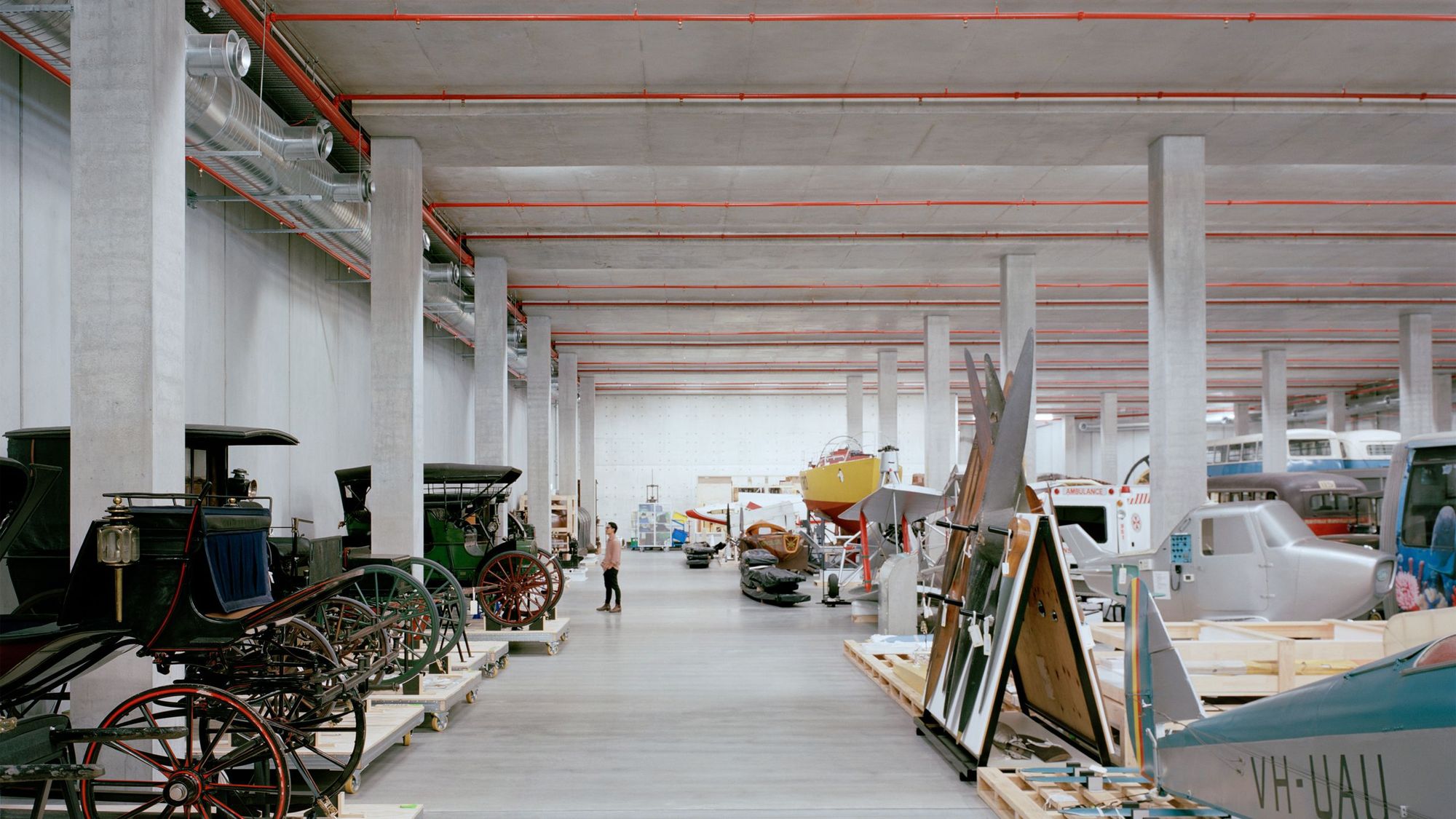
Australia's national cultural collection, more than 500,000 objects, made publicly accessible to researchers and the public worldwide.

The Powerhouse Collections platform makes Australia's national cultural collection publicly accessible to researchers, educators and the public worldwide. It gives global access to more than 500,000 objects, and the museum's public platforms served over 100 million API requests in the past year.

I architect and maintain the platform and the data estate behind it.

Project Information

[ Public Digital Infrastructure ]

[ The Challenge ]

Move a 500,000-object collection off a legacy on-premise system without breaking the public record.

The collection lived in EMu, an on-premise collections management system that remains the source of truth. The platform had to keep serving researchers, universities and institutions while the data underneath it moved to new infrastructure.

[ The Approach ]

ETL pipelines, a governed middleware layer and AI metadata enrichment.

I designed and led the ETL pipelines that moved the collection from legacy on-premise EMu onto Azure Blob storage, PostgreSQL, Typesense and Redis, adding AI metadata enrichment along the way so objects are easier to find across collections.

DataHub, the middleware layer that brokers every read against EMu, carries the auth, policy enforcement and audit logging that sit between the upstream catalogue and the search, cache and application layers downstream. I set its data governance, security and audit standards.

On the public site, search runs as you type against the Typesense index, with filters for categories, places and entities. A search for "shopping" returns 6,918 objects, the Parramall Shopping Centre neon sign among them.
[ Saving an object ]
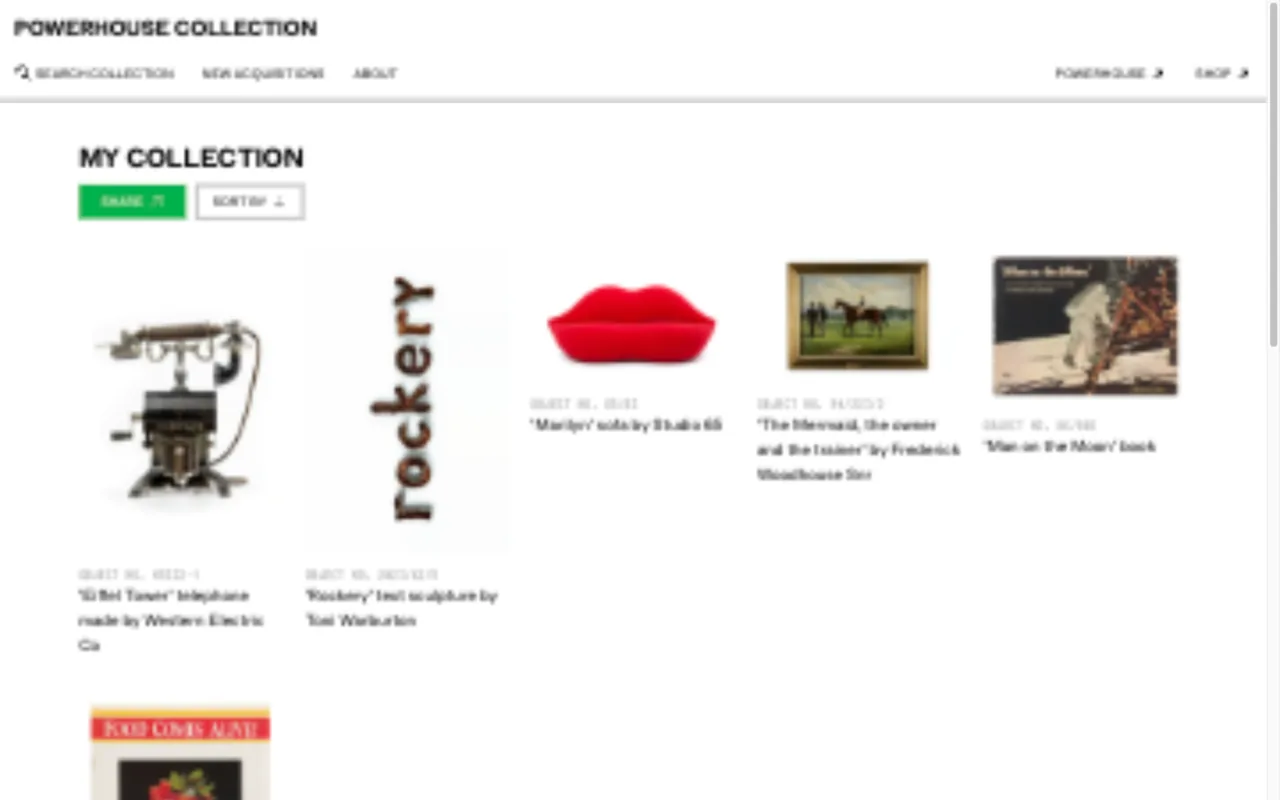
My Collection: six saved objects in a grid, with share and sort controls
[ My Collection ]

[ The Outcome ]

A public platform at national scale, used by researchers and institutions worldwide.

More than 500,000 objects are now searchable by anyone, and the museum's public platforms served over 100 million API requests in the past year.

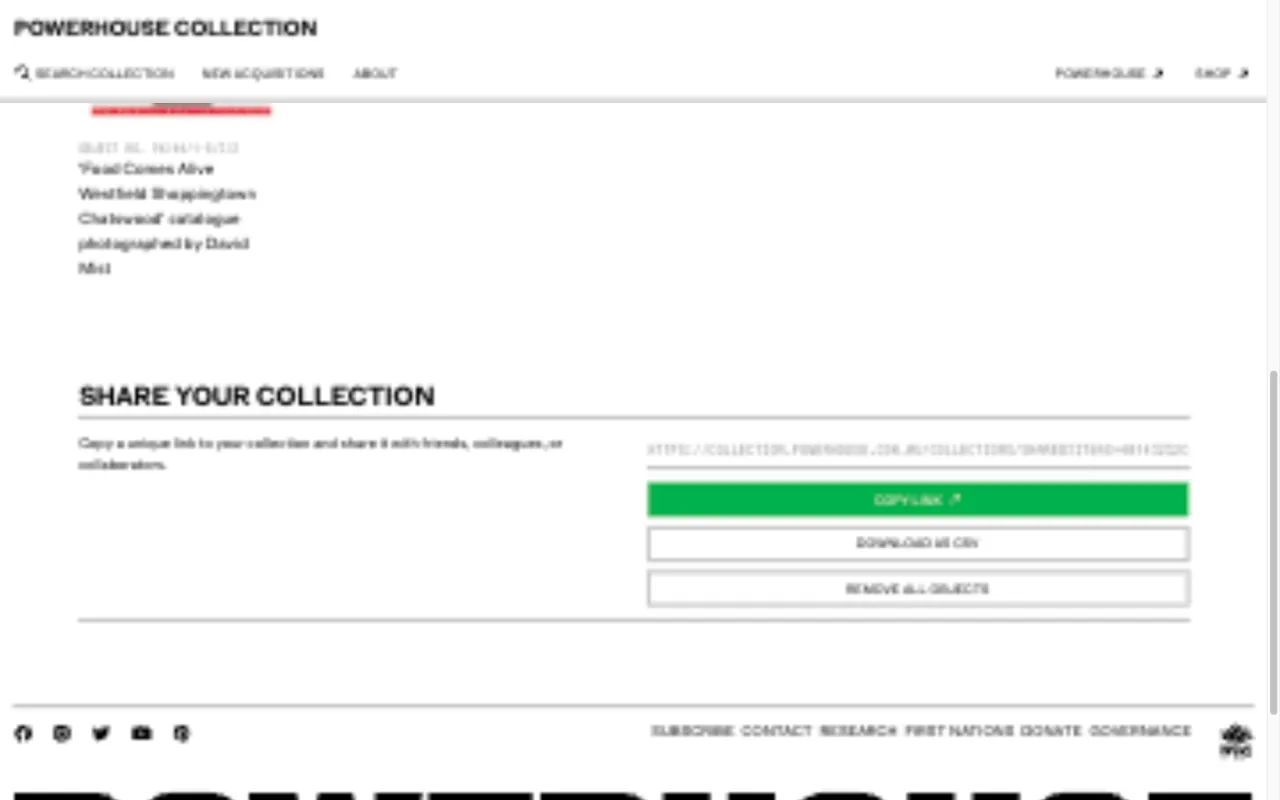
Anyone can save objects without an account. Saved objects stay in the browser, a counter in the corner keeps the tally, and My Collection turns them into a list that can be shared as a link or downloaded as CSV. The share link carries the object IDs in its URL, so sharing needs no sign-in.

Share Your Collection: a unique link to the saved objects, with Copy link, Download as CSV and Remove all objects
[ Share or download ]

[ Scale ]

  • 500,000+ collection objects

  • 100M+ API requests across museum platforms in the past year

  • Researchers, universities and institutions worldwide

  • Save, share and CSV export with no account needed